






Introduction to Antifog Visors
1. What is an anti-fog lens?
An anti-fog lens is an optical lens designed to resist fogging, ensuring clear visibility in humid, cold, or high-moisture environments. These lenses are commonly used in helmet visors.
2. Why do motorcycle helmet visors fog?
Motorcycle visors fog up due to condensation, which happens when warm, moist air from your breath meets the cooler surface of the visor. This is especially common in cold, rainy, or humid conditions. Here’s why it happens:
- Temperature Difference – The inside of your helmet is warm from your breath, while the outside is cold, causing moisture to condense on the visor.
- Humidity & Moisture – Breathing inside a closed helmet traps moisture, leading to fog buildup.
- Poor Ventilation – If your helmet lacks proper airflow, warm air gets trapped inside, increasing fogging.
- Rain & Wet Conditions – Water vapors inside the helmet increases fog formation, especially in humid weather.
3. How do anti-fog lenses work?
There are multiple ways a anti-fog insert lens could work. Here are the two most common insert lenses and the Pinlock® technology that is unique.
- A hydrophobic (water-repelling) coating is applied on a plastic lens surface to prevent condensation buildup. The lens is kept in place by an adhesive.
- A plastic lens is treated with a coating making it water repelling. On the lens a thick adhesive is added to create an insulating barrier to minimize temperature differences.
- The Pinlock® technology is an advanced anti-fog system used in motorcycle helmet visors to prevent fogging. The joint forces of the moisture absorbing surface and the airtight seal, combined with the durable pin-based positioning make Pinlock® the number one anti-fog solution for helmets.
What are the safety advantages of using an anti-fog lens in different weather conditions?
- Warm weather: Temperature differences cause condensation buildup inside the helmet. Extreme warm weather will cause riders to sweat more, causing higher humidity inside the helmet.
- Rain: Moisture inside the helmet accelerates fogging. When riding in rain, more moisture will enter the helmet increasing the chance on fogging.
- Night Riding: At night it’s colder, creating more Fog can create glare from headlights, reducing visibility even further.
Types of Antifog Solutions for Visors
- Pre-treated antifog visors – A hydrophilic (water-attracting) or hydrophobic (water-repelling) coating is applied to the lens surface to prevent condensation buildup. The downside of the solution is that it only works for a short time. A pre-treated anti-fog visor can’t be combined with a Pinlock® lens because this will cause a chemical reaction.
- Antifog sprays and coatings – Used as a temporary solution to maintain clarity. It works by putting a thin, invisible coating on a surface that prevents moisture from condensing into fog. It does this by altering the way water droplets form on the surface of your visor. This solution has a limited time that it’s effective.
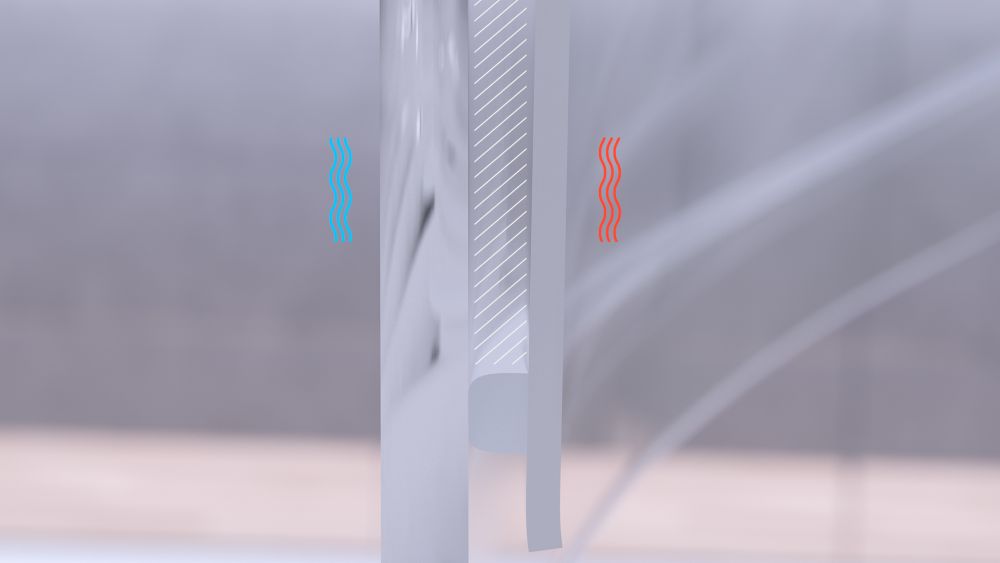
- Pinlock inserts and their effectiveness – The Pinlock® technology is an advanced anti-fog system that combines absorbing nanotechnology and the insulating thermal barrier.
- Moisture absorbing nanotechnology – The moisture absorbing the surface effectively attracts and stores water molecules in humid conditions. In low humidity the stored water in the lens evaporates, creating room for new fog-free adventures.
- Airtight chamber – The airtight seal prevents visor condensation by acting as a thermal barrier through the air pocket between the visor and anti-fog lens.

Pre-treated Antifog Visor vs Pinlock Film – Which is Better.
| Features | Pre-treated Antifog Visor | Pinlock Film |
|---|---|---|
| Hydrophobic Treatment of Lens | Water-repellent chemical coating | Directly applied to the inner surface of the visor with adhesive |
| Application | Directly applied to the inner surface of the visor with adhesive | Durable pin-based positioning system for easy lens placement and e secure fitment |
| Fog Resistance | Moderate – effective in mild conditions | Excellent – works well in high humidity & cold |
| Durability | Wears off over time, especially with cleaning | Long-lasting; evaporates stored water molecules, and the Pin adjustment system extends the lifetime |
| Ease of Use | Simple, no additional tools required | Requires Pinlock® Ready visor |
| Maintenance | Needs reapplication every few weeks/months | Occasional cleaning and tension adjustment with the pins |
| Visual Clarity | High, if coating is clean and intact | Very high, but slight distortion possible if not fit properly |
| Cost | Low | Moderate |
| Helmet Compatibility | Universally applicable | Requires Pinlock® Ready visor |
| Weather Suitability | Best for dry or moderately humid conditions | Ideal for all-weather, especially cold, or wet climates |
| Add-on Weight | Minimal | Minimal |
Conclusion: For riders seeking maximum antifog performance—especially in cold, humid, or unpredictable weather conditions—the Pinlock system stands out as the superior choice. It delivers reliable, long-lasting protection and remains the industry standard in antifog visor technology.
That said, for more casual use, budget-friendly helmets, or in environments where fogging is less of a concern, a hydrophobic coating presents a cost effective alternative.
Maintenance of Antifog Visors for Logivity
1. Clean your lens only when needed. Do not use household cleaners, solvents, or abrasive materials like paper towels. These can damage the lens or even block the nano structure. You can best clean the lens by pouring it with mineral water after you remove the lens from your visor.
2. Avoid scratching your Pinlock® lens. Be careful not to scratch the lens by keeping it away from rough surfaces, sharp objects, or by storing items in your helmet like gloves, glasses, etc.
3. How to store my helmet? Always ensure the lens is dry before storing it, as moisture can promote mold growth or affect its anti-fog functionality over time. Store your helmet with the Pinlock® lens in a clean, dry place, preferably in a protective case, to prevent dust or dirt buildup.
Avoid exposing the Pinlock® lens to excessive heat or cold for extended periods, as this can shorten the lifetime of the lens or dry the silicon seal.
4. How to keep your Pinlock® lens performing? Over time the Pinlock® lens may shrink, resulting that it may come loose. The durable pin-based positioning system allows easy lens placement and ensures secure fitment. Pinlock® pins are excentric shaped to adjust the tension on the lens.
Remove the helmet visor from the helmet and take the Pinlock® lens out. Turn the pin indicator 45 degrees towards your helmet and reposition the Pinlock® lens.
SMK Helmets and Pinlock® Technology
All full face and modular SMK helmets are Pinlock® ready. Pinlock® technology complements the advanced design of SMK helmets, ensuring riders can easily install Pinlock® anti-fog inserts without additional modifications. SMK’s integration with Pinlock® guarantees clear visibility, enhancing rider safety and comfort in diverse weather conditions.
Source: Pinlock®