





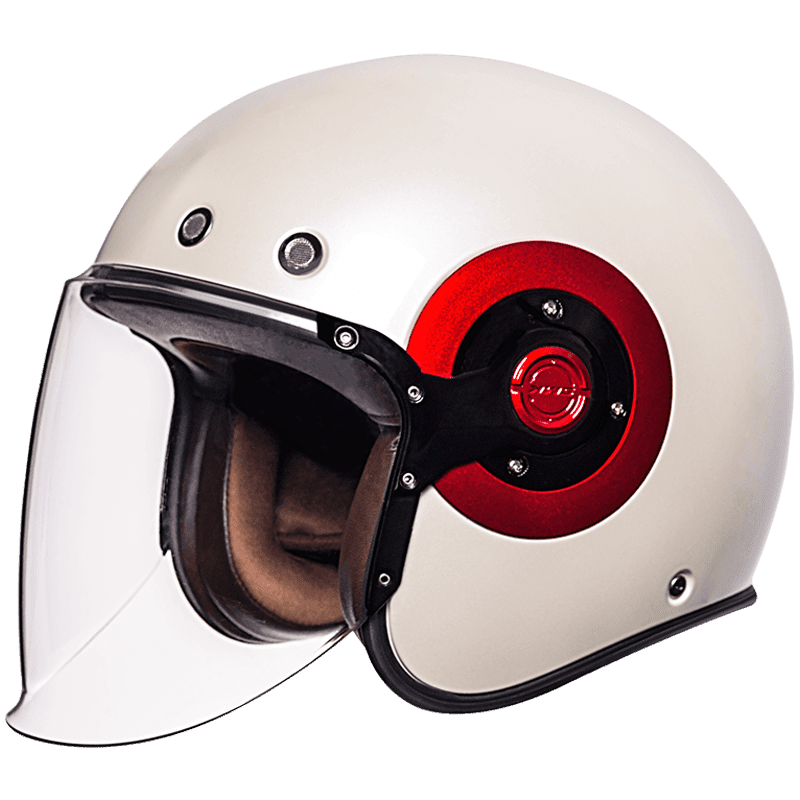
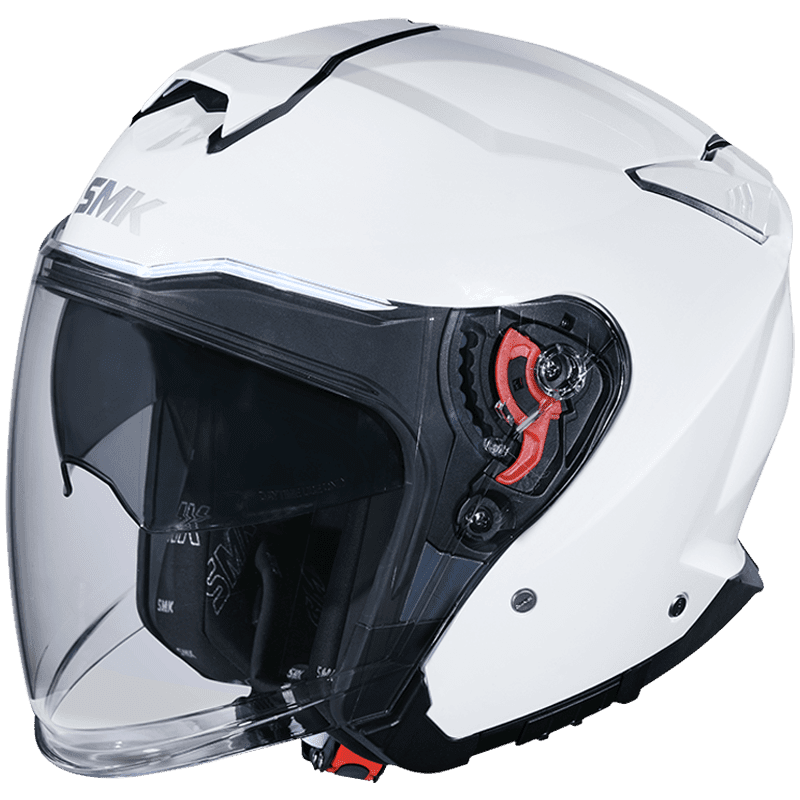




A well-engineered motorcycle helmet is the most important safety accessory that money can buy and every two-wheeler rider must have a good quality branded motorcycle helmet to protect the head in the event of an accident. Modular motorcycle helmets are designed to protect the head against mechanical impacts and to ensure that all the regulations and safety parameters are properly met, safety standard authorities test the helmet for adherence and approve it with their own certifications.
Worldwide there are 3 primary helmet safety certification authorities: DOT, ECE and Snell. Let’s learn more about them.
Private vs. Government Safety Authorities
Unlike DOT and ECE, Snell is a private helmet safety certificate in authority which is applicable in the United States and there are other similar private authorities such as SHARP in the United Kingdom and CRASH in Australia. But the most recommended safety certifications are the DOT and ECE which is applicable across the world in most countries in addition to the specific safety approvals that are mandated for that particular country. For example, in India the Bureau of Indian Standards (BIS) mandates that every motorcycle helmet must be approved by the ISI mark.
All of the safety certifications are crucial in giving you the necessary protection in the event of an accident and here are 5 reasons why you should not ignore the presence of these stamps.
- Certification proves quality: A certified helmet is the cornerstone of the helmet manufacturer’s promise of keeping its users safe. Every helmet that has the necessary safety certificates means that the helmets have been put through rigorous safety standards checks and tests as part of their internal quality checking infrastructure and have passed through them as well. Always make sure to purchase a helmet that has a safety standard certification on it. Products that do not have the approval stamp clearly means that the helmet did not go to any safety check and therefore it will not be able to protect your head in the event of an accident.
- Certified helmets do what they are supposed to do: The first and primary objective of a motorcycle helmet is to protect the weather against mechanical impacts of an accident and to absorb the energy from transferring onto the skull bones. Whereas every motorcycle helmet promises to deliver upon that in truth that does not happen because the helmets have not been checked for efficacy or safety either. Only those helmets that have passed through safety checks are eligible for the certification which means only those helmets will deliver upon its promise of protecting the head from impact.
- Certified motorcycle helmets return best value for money: A common mistake many riders make while purchasing a new motorcycle helmet is that they look for the value for money proposition only, and end up buying cheap helmets from the footpath, or other non-branded helmets without safety certifications. While that might look like a great bargain in the beginning, it actually isn’t because you are not getting any protection out of the helmet at all! So, if you expect a helmet to keep you safe you would be expecting wrong which is why it is important that you purchase a branded safety helmet that has been approved by certification authorities.
- Certified helmets have better after sales/upgrade support: If you plan on upgrading the motorcycle helmet later down the line, then it would be easier to do that on a branded motorcycle helmet with the necessary safety certifications because these helmets come with upgrade parts that are also equally certified which will keep the safety parameter of the helmet uncompromised even after the upgrade. But if you try to do that on a non-branded or non-certified helmet, you will be seriously compromising on the safety parameters of the product which will leave you completely exposed to the dangers of the road.
- Certified helmets last longer: Branded and safety certified helmets lasts longer compared to other non-certified products because they are put through rigorous tests, and therefore the materials are developed in a way that are meant to withstand regular wear & tear in addition to mechanical impacts during accidents. So, the overall value for money proposition is high in a safety certified product rather than in a cheap footpath-grade helmet.

